Today’s patients, shaping tomorrow’s treatments.

We’re solving clinical trial failure by building the world’s largest living collection of cancer cells from real patients, so next-gen therapeutics can be tested on tumors that reflect the modern patient, before the first trial.

Our Story

At 49, I was diagnosed with Stage 4 lung cancer. The cancer became resistant to standard therapy after 15 months of treatment.

I needed more data about my cancer. A repeat biopsy did two things: it empowered me with a trove of next generation sequencing information, and it gave my colleagues living cancer cells to grow in the lab. These cells enable testing of thousands of existing and new therapeutics which would be impossible to do in a single patient.

We will revolutionize the development of treatments for cancer with hundreds of these cell lines from real people like me available for advanced testing and analysis.

Our approach has the potential to save hundreds of thousands of lives.
Why we started

90% of cancer drugs fail in clinical trials. A major driver is inaccurate and narrow preclinical models.

Instead of representing the modern patient, today’s models are:

  • Decades old Established in the 1970s and 80s.
  • Treatment naïve Never treated, so they lack modern resistance.
  • Non-diverse Mostly European ancestry, rarely never-smokers.
  • Mutated Drifted from the patient after decades in a dish.

Our mission

Slash failure rates. Save lives.

Starting with lung cancer, then every cancer.

What we’re building

Models that reflect the patients they’re meant to treat.

The biological, data, and AI infrastructure to test and inform new therapies, so that every patient has a treatment that works for them.

  1. 01The Anemos Atlas

    Living cancer cells grown from patient tumors, across every subtype and stage of treatment.

  2. 02The data

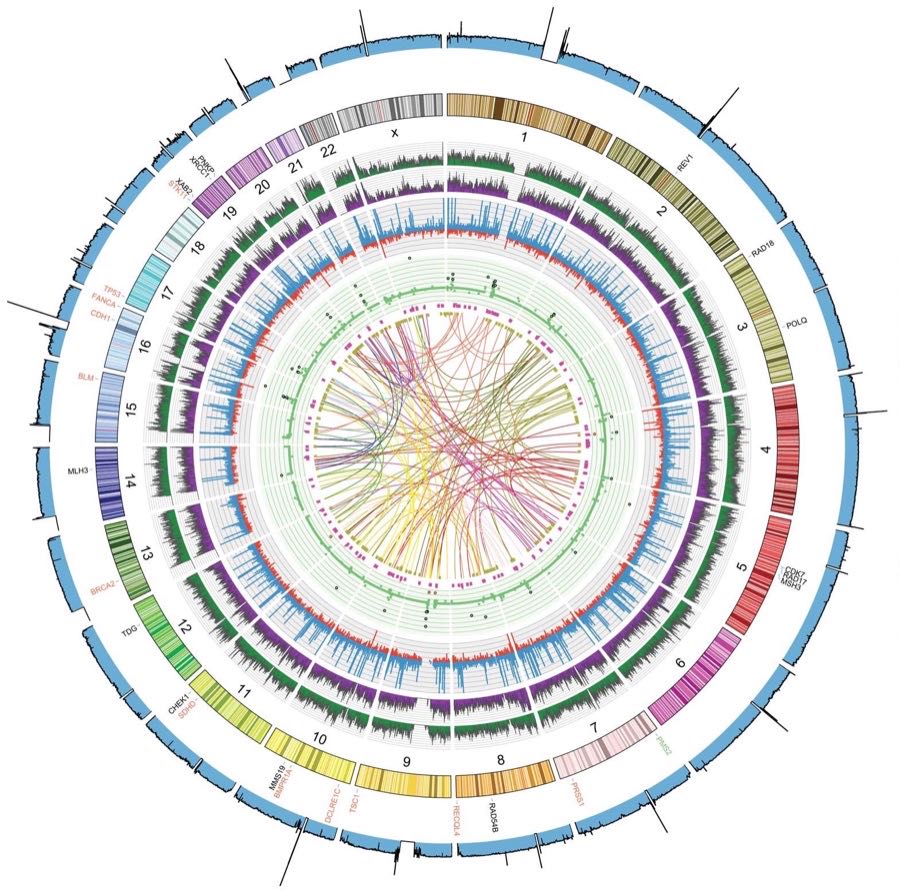
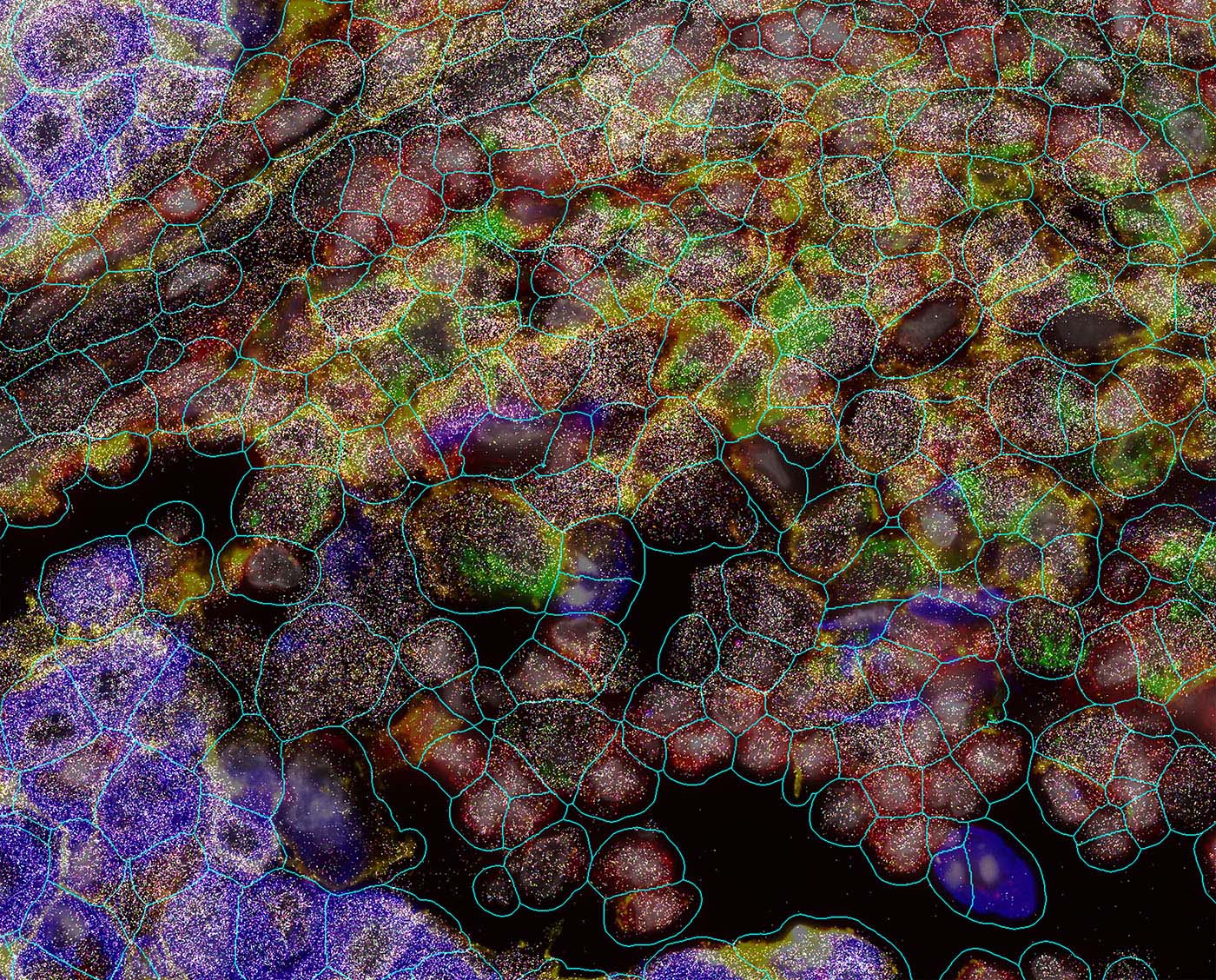
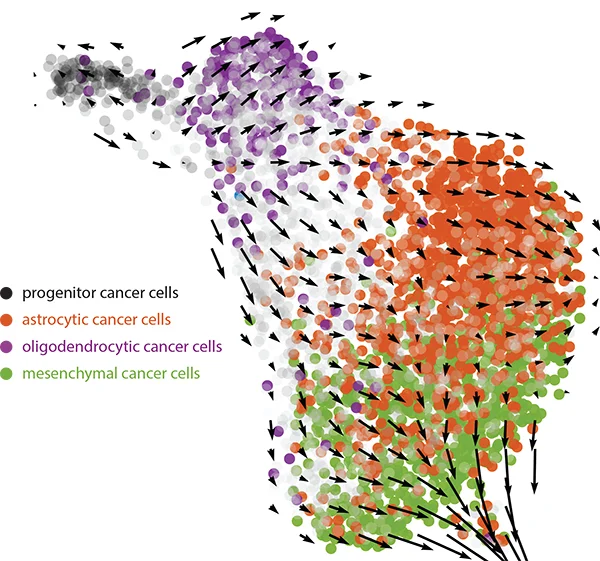
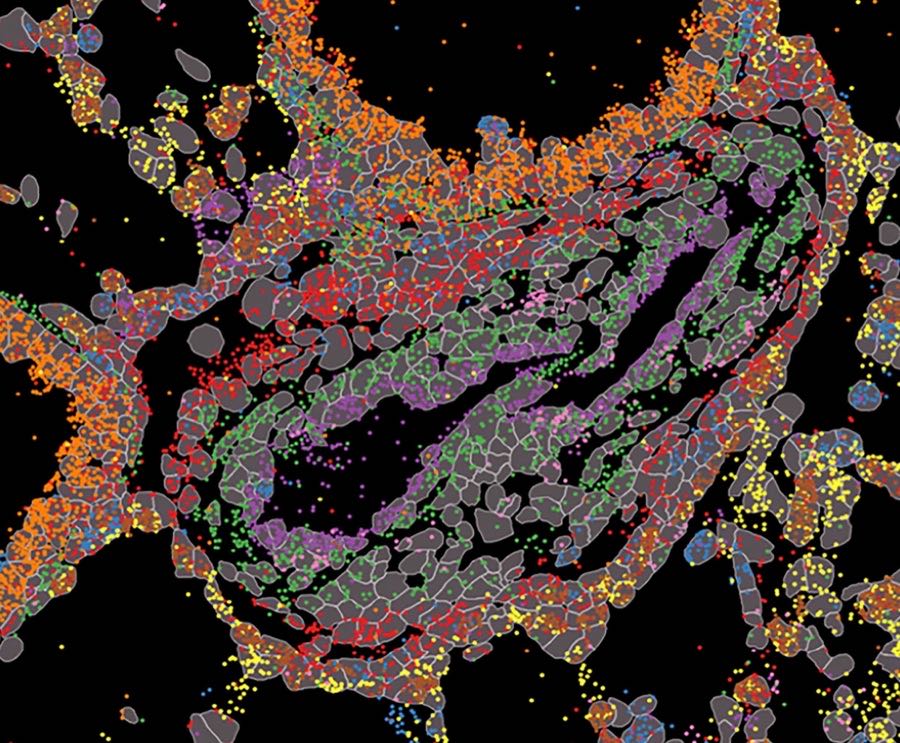
    Whole-genome sequencing, single-cell RNA sequencing, spatial transcriptomics, spatial proteomics, surfaceome profiling, and drug response, for each cell line and its original tumor.

  3. 03The AI

    Trained on our data to predict who will respond to a drug, which targets matter, and how to improve drug candidates.

Every prediction is tested back in the Anemos Atlas, and the results train the next round.

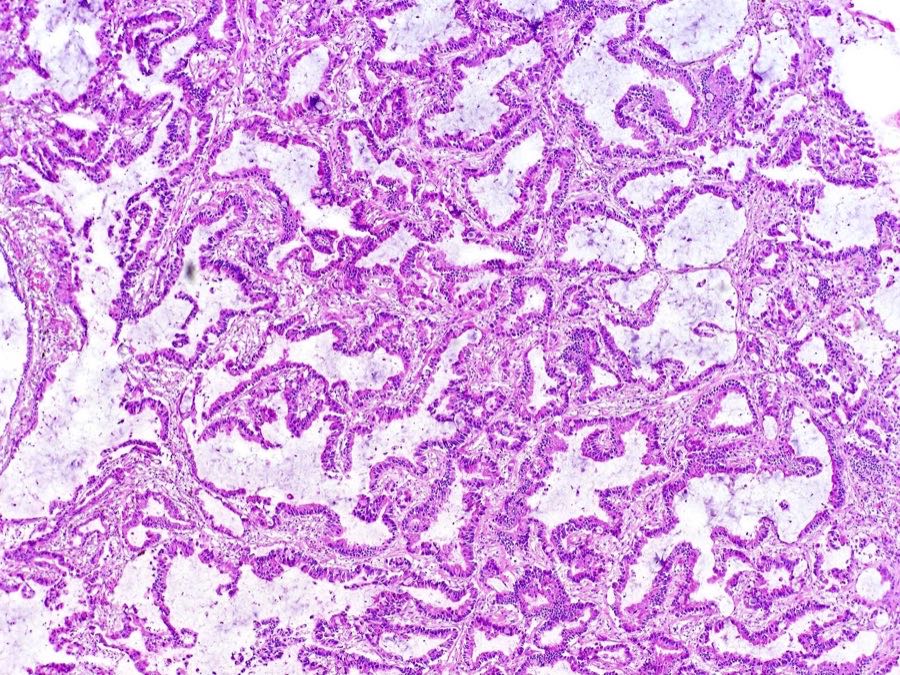
Spatial transcriptomics Whole-genome sequencing Spatial proteomics Single-cell RNA sequencing Adenocarcinoma pathology slide
Spatial transcriptomics

What changes

A new standard for testing cancer drugs.

Models
Decades-old cell lines that have drifted far from the tumors they came from
Models from today’s patients, verified to stay true to their original tumor
Representation
Never-smokers and non-European patients are barely represented
Models across ancestry, sex, age, and smoking history
Resistance
Resistant tumors are rarely modeled, so drugs for later lines lag behind
Models from every line of treatment, so new drugs can target cancers that have evolved to resist treatment
Matching
Patients cycle through drugs by trial and error
Evidence of which patients each drug works for, before they take it
Outcome
9 in 10 cancer drugs fail in clinical trials
Most failures caught in the lab, before trials begin

Living with lung cancer?

Learn about donating

Working on a next-gen cancer therapeutic?

Get in touch